Westival
Exhibition at the Westival of Architecture in Szczecin – Young Poland: The future of Polish architecture I am waiting for
AA Collective, Aleksander Wadas Studio, JEJU.studio, k3xmore, Landscape Practice, Miastopracownia, RZUT, P2PA, PROLOG, Trzupki, UGO Architecture
RZUT, PROLOG
Autoportret. Pismo o dobrej przestrzeni
Stowarzyszenie Architektów Polskich Oddział w Szczecinie
2022
Sylwia Gudaczewska
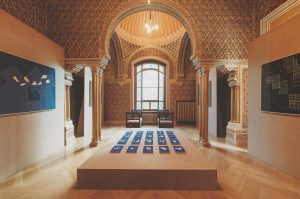
As part of the 2022 Westival of Architecture in Szczecin, the exhibition Young Poland: The Future of Polish Architecture I Am Waiting For was created. The exhibition told the story of an exceptional initiative by eleven young architectural studios – a joint participation in an architectural competition for the design of the Museum of the Uprising at St. Anne Mountain. The aim of the exhibition was to present, step by step, the design process related to building partnerships and collaboration between eleven distinct design entities.
Participation in the SARP Competition became a starting point for a deeper analysis of the conditions under which young Polish architectural studios operate, their values, and their priorities. The exhibition also encouraged a broader conversation about the quality and functioning of architectural competitions in Poland.
Curatorial Manifesto of the Westival Program Council
When creating an exhibition presenting young Polish architectural studios, we decided to move away from the typical strategy of showcasing their past development paths and building an image of success – filled trajectories. Instead, we wanted to shift the focus from the projects themselves to the processes that shaped them. The exhibition became an opportunity for an experiment and a search for a common identity.
We began working on the exhibition in December 2021, inviting 11 teams to participate. These teams included individuals involved in building design, social and activist initiatives, painting, sculpture, landscape architecture, and editing an architectural quarterly. Besides age, the selection criteria included distinctive ways of creating and understanding architecture, representation of different regions of Poland, and varying approaches to entering the professional field.
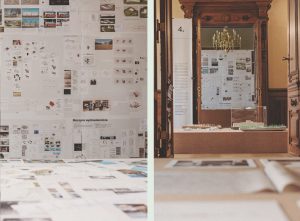
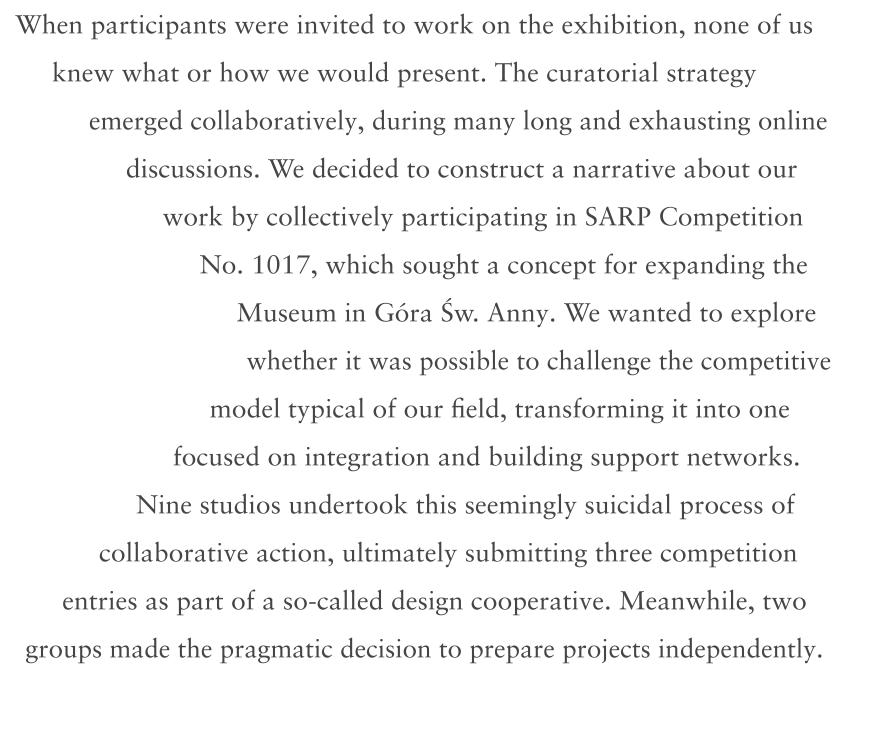
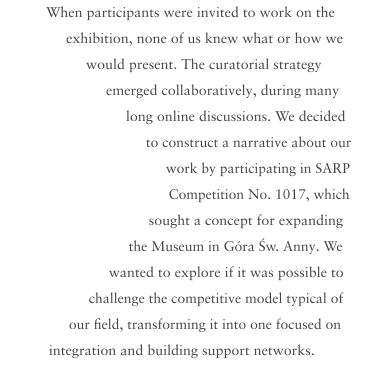
When the participants were invited to collaborate on the exhibition, none of us knew what or how we would present. The curatorial strategy emerged through a collaborative process, during many long, sometimes exhausting online discussions. We decided to build a narrative about our work through our joint participation in SARP Competition No. 1017 for the expansion concept of the Museum of the Uprising at St. Anne Mountain. We wanted to explore whether it was possible to challenge the model of competition and rivalry typical of our profession and instead shift it towards integration and the creation of a support network.
Nine studios took on this seemingly suicidal process of joint action, ultimately submitting three competition entries within a so-called “design cooperative,” while two groups made the pragmatic decision to prepare independent projects. The exhibition documents these processes, juxtaposing different philosophies of practice, goals, and definitions of success in architecture.
Working on the exhibition turned out to be an excellent exercise in trust and in continuously revisiting fundamental questions: How do we build a design community? How many people can work on a single project? Can the creation of architecture be democratic, or does it require a leader? None of our initial, perhaps naive, assumptions were fully realized, but time and again, they redirected the entire process in unexpected directions.
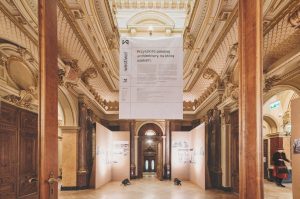
The competition results, confirming the agency of our generation, prompt us to make assessments. They may also serve as the basis for a deeper analysis of the effects of different collaboration models and for questioning what their ultimate goal should be. The sequence of nine rooms in the Lentz Villa illustrates the challenging path we have walked together.