The Artist’s Garden
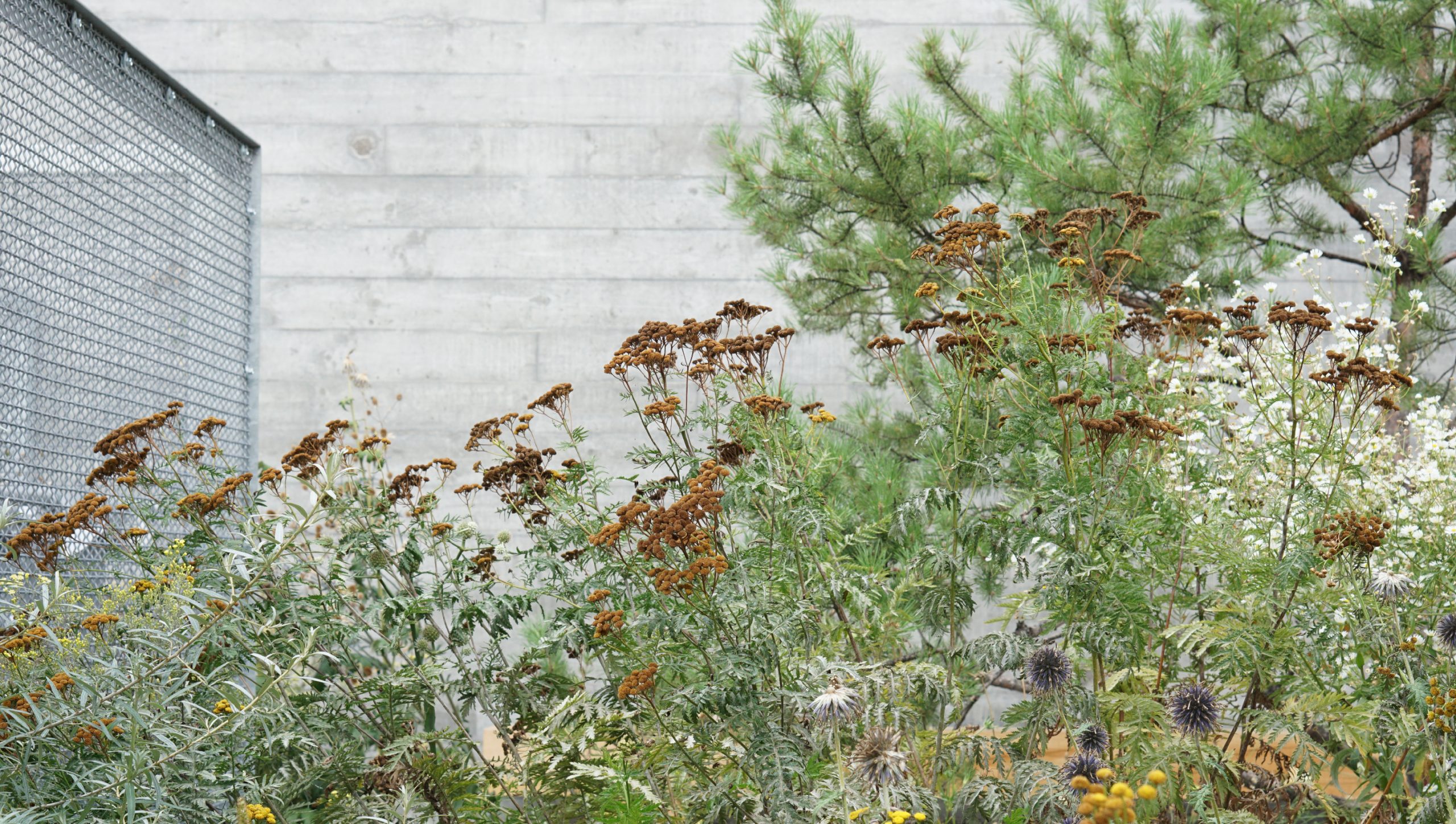
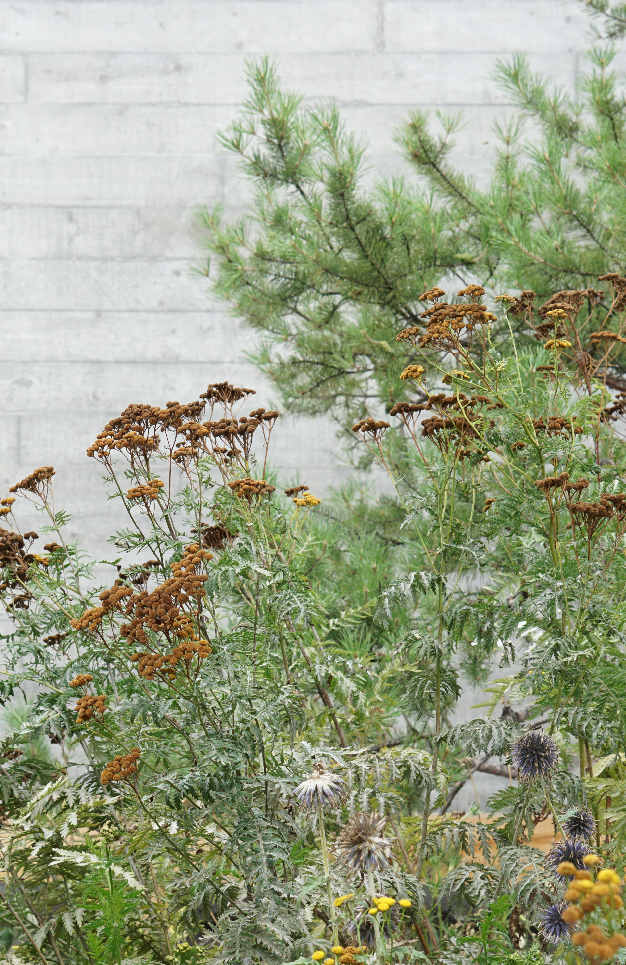
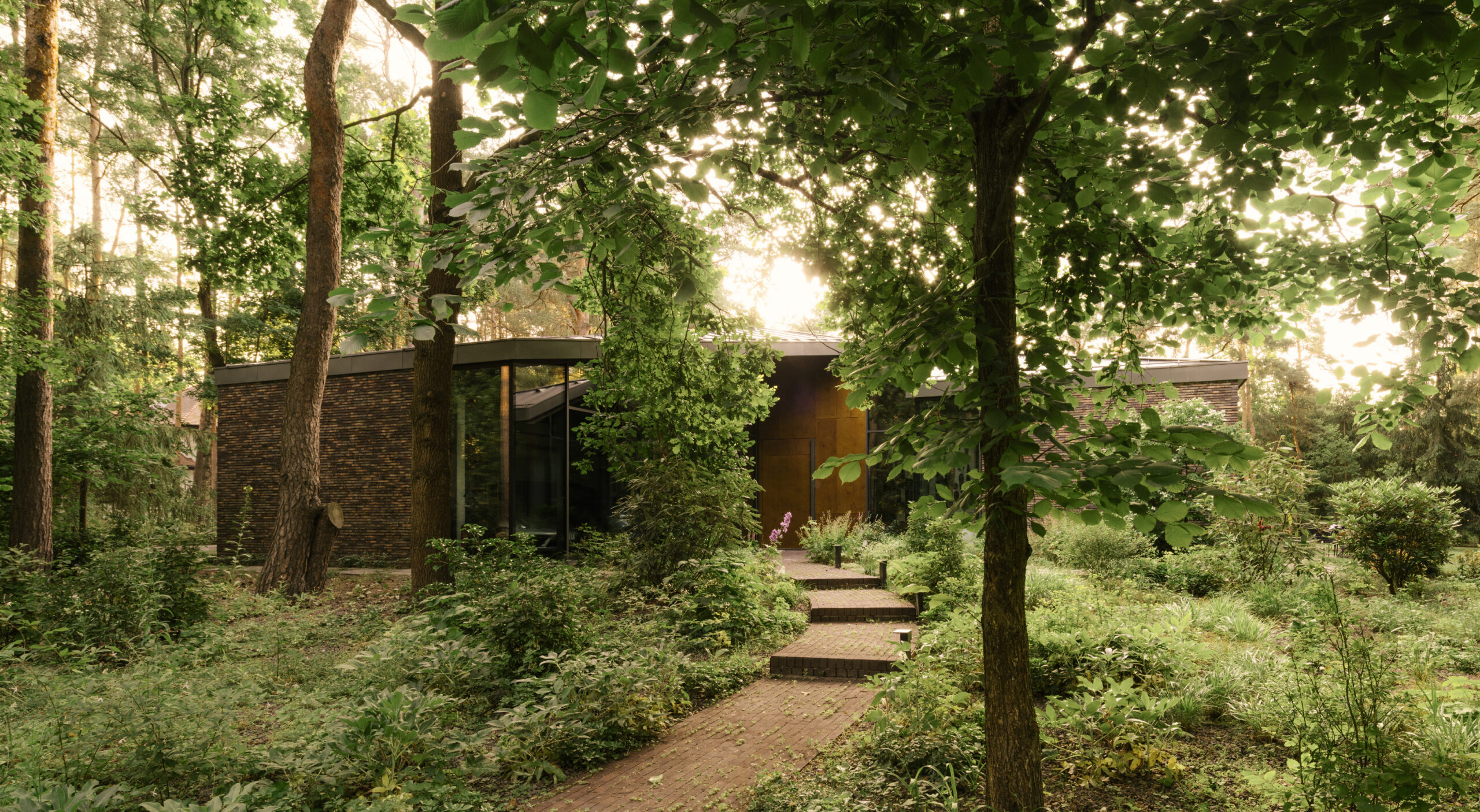
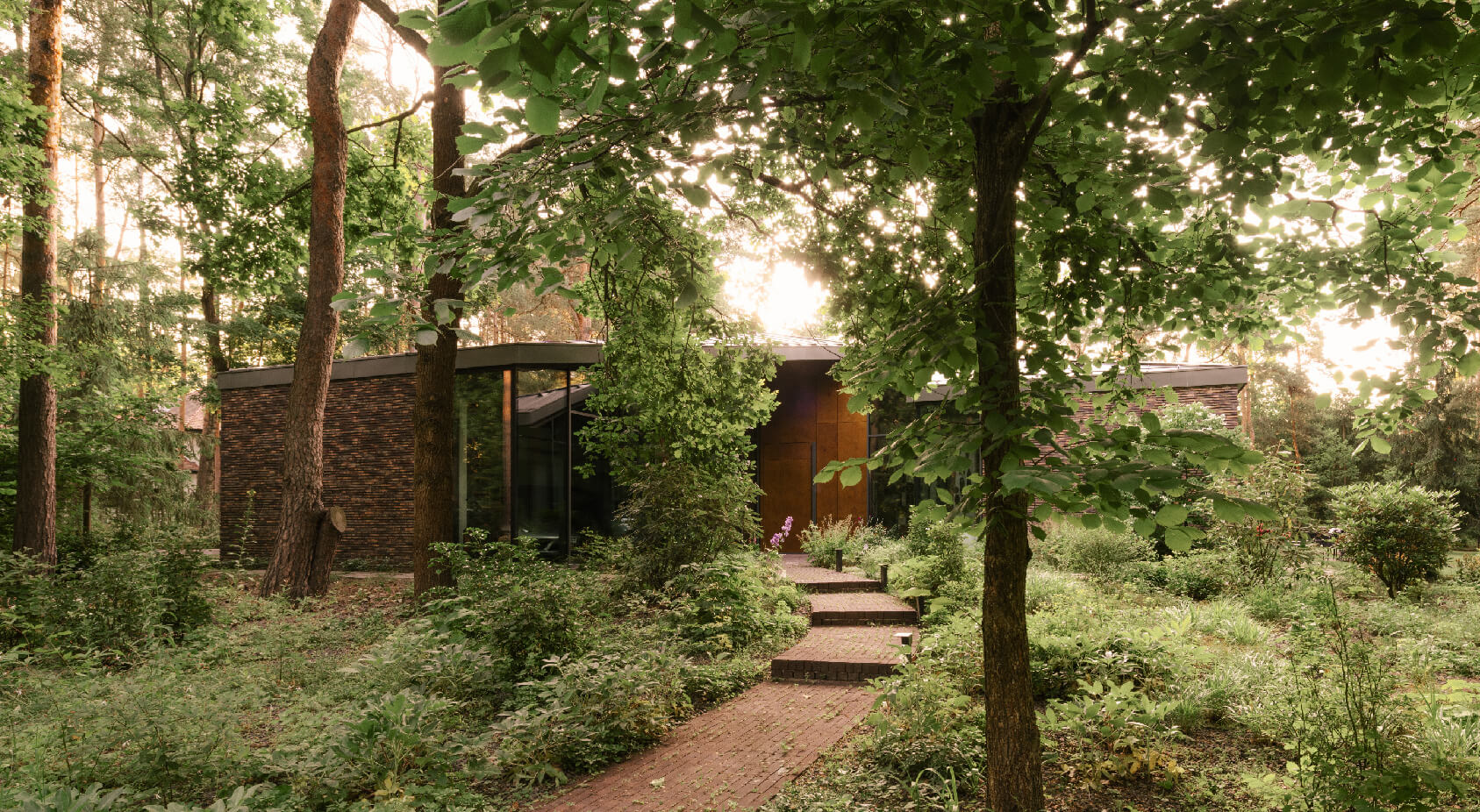
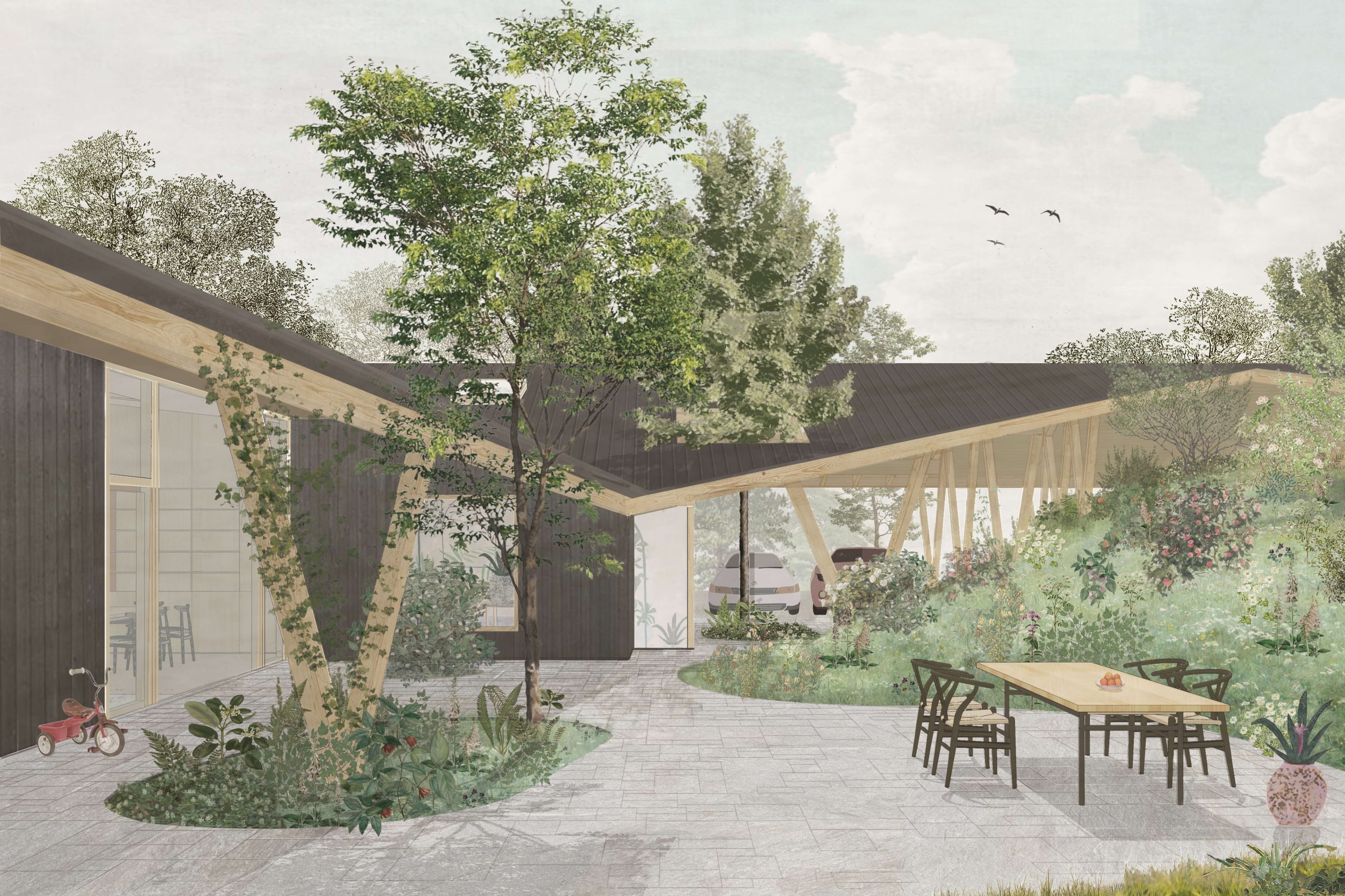
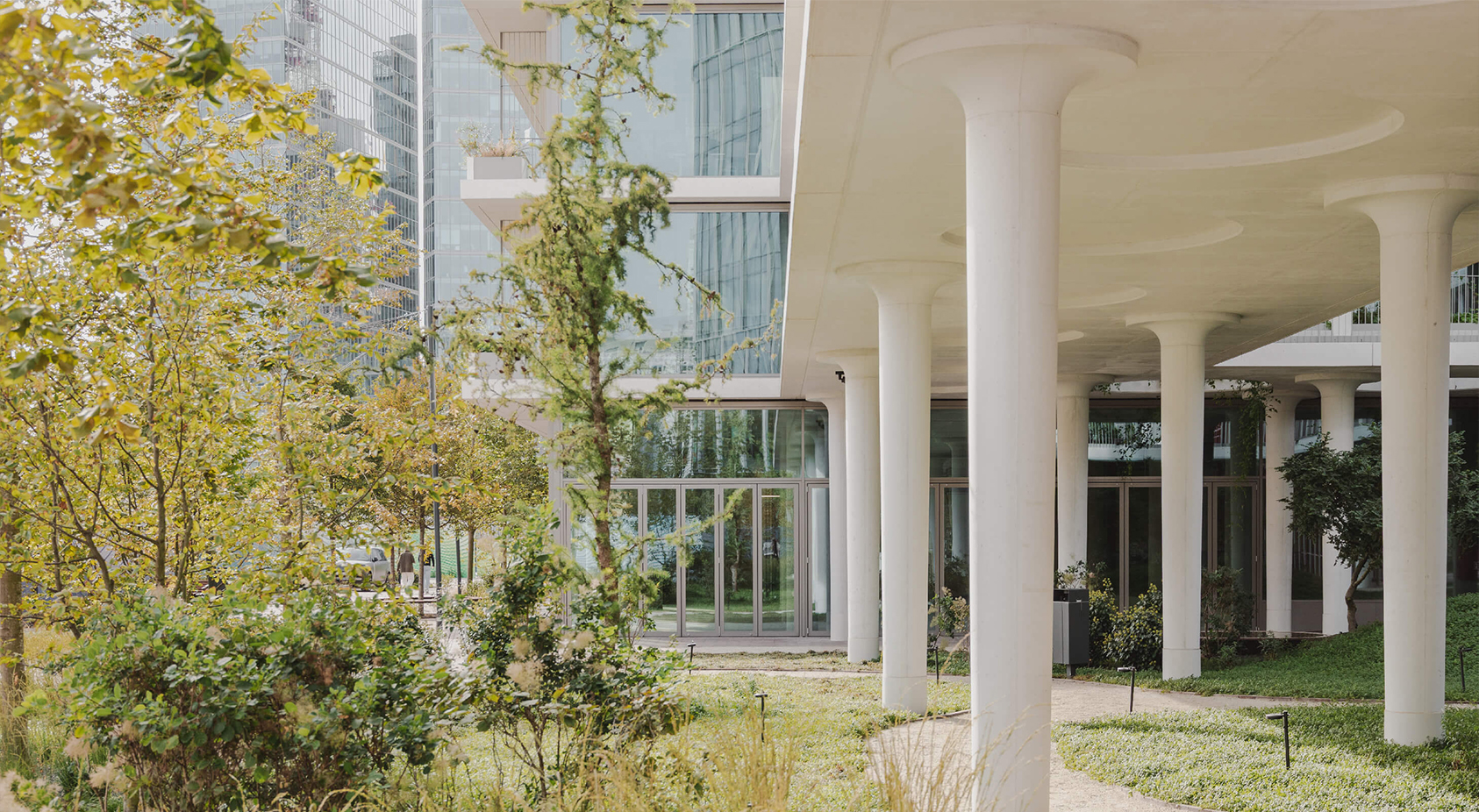
The development of the two adjacent plots is conceived as a dialogue between the varying architectural scales of the existing buildings and an attempt to capture the spatial relationship between these structures and their surroundings. The project interacts with the partially spontaneous materiality of the space where planned planting arrangements are layered with elements introduced over time by natural forces such as wind and animals.
At the early stages of the project, a comprehensive vegetation inventory was conducted, considering not only intentionally selected and planted species but also wild plants that naturally appeared. Approximately 270 species were cataloged, forming the framework for the vegetation scheme on the plots. On the eastern plot, in the courtyards between the buildings, existing plants are treated almost as museum exhibits, requiring only minor enhancements and slight reconfigurations.
Paulina Rduch, Sandra Żur, Marta Tomasiak
Pracownia Gleba Grzegorz Bojda
2500 m²
private
2017 – 2019
Laura Parsons, Aleksandra Matyas, Grzegorz Bojda, Marta Tomasiak
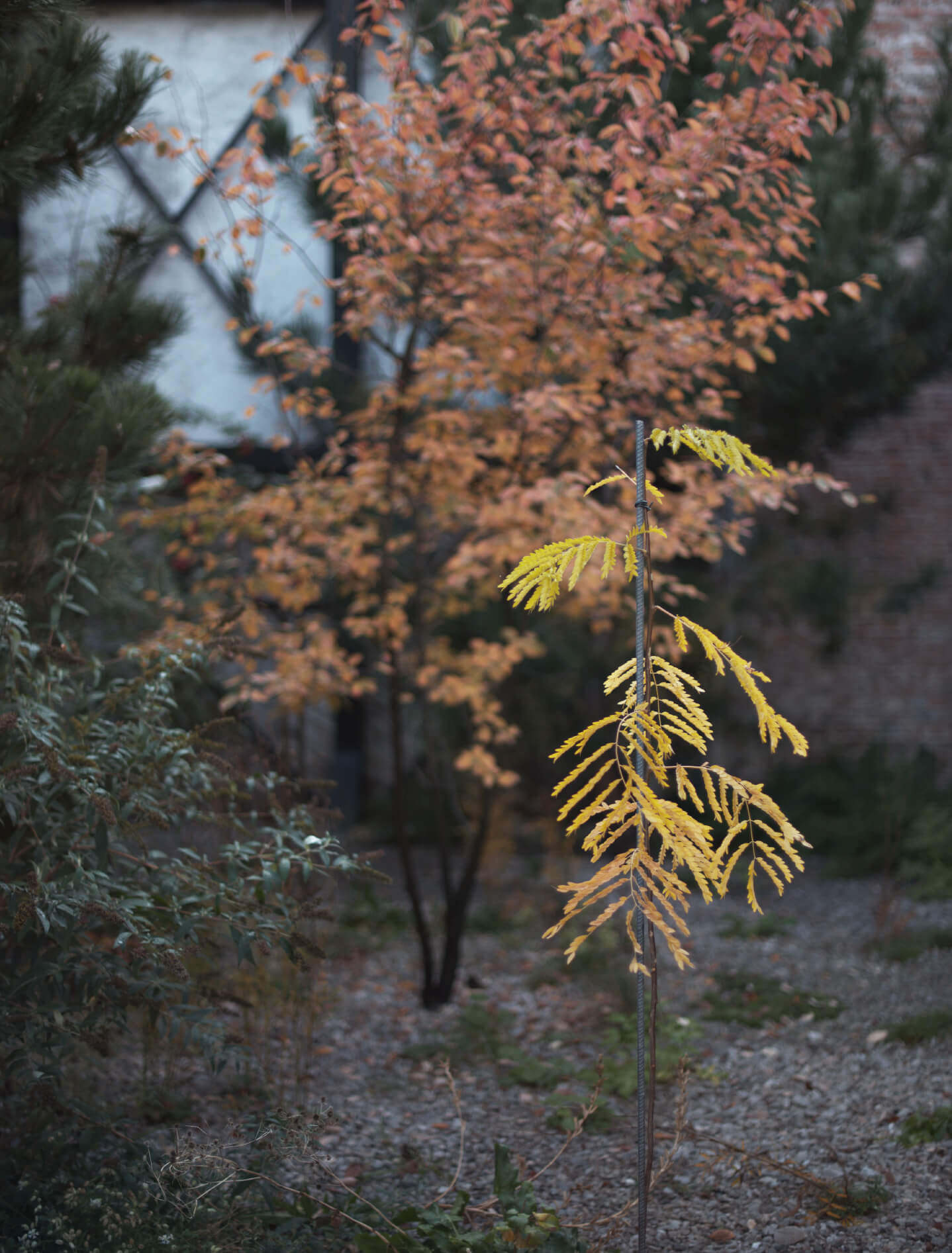
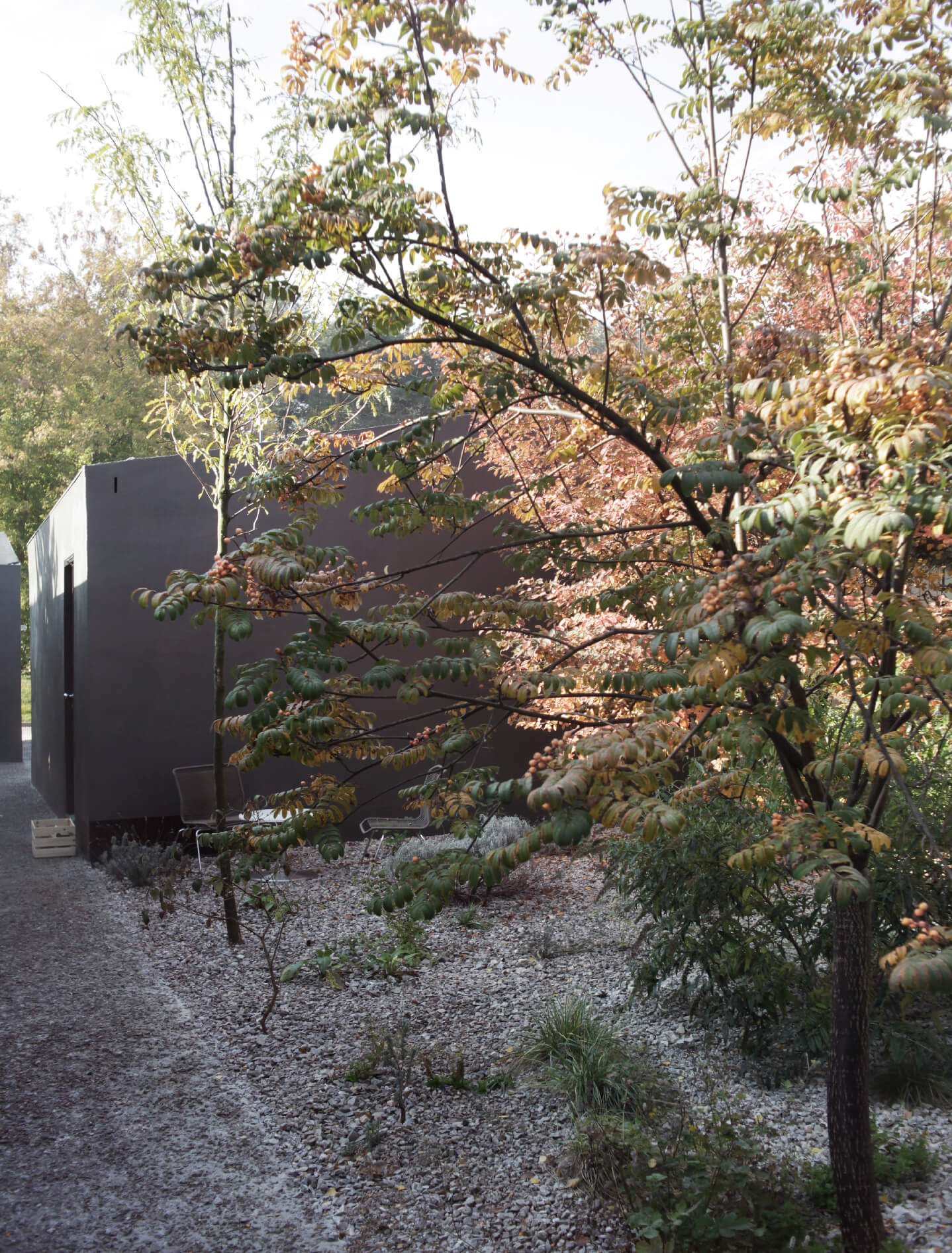
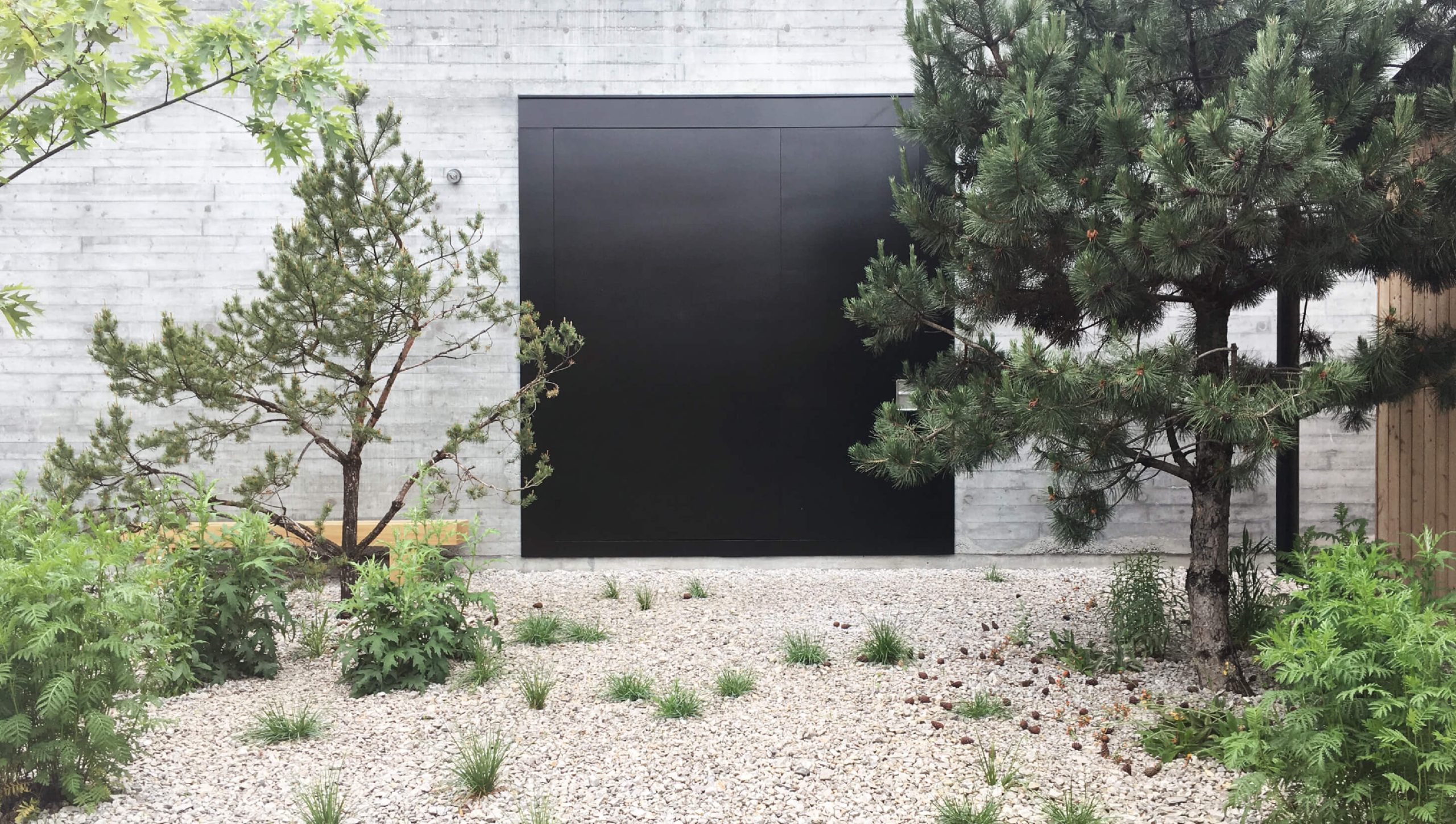
The western zone, accompanying the newly established atelier, is designed with a more spatial approach, influenced by both the scale and positioning of the atelier building. A “green volume” is introduced – a kind of reserve with densely and irregularly arranged forest vegetation. This area, on one hand, complements the centripetal urban layout of the eastern plot, while on the other, it contrasts with the openness of the courtyard extending from the atelier.
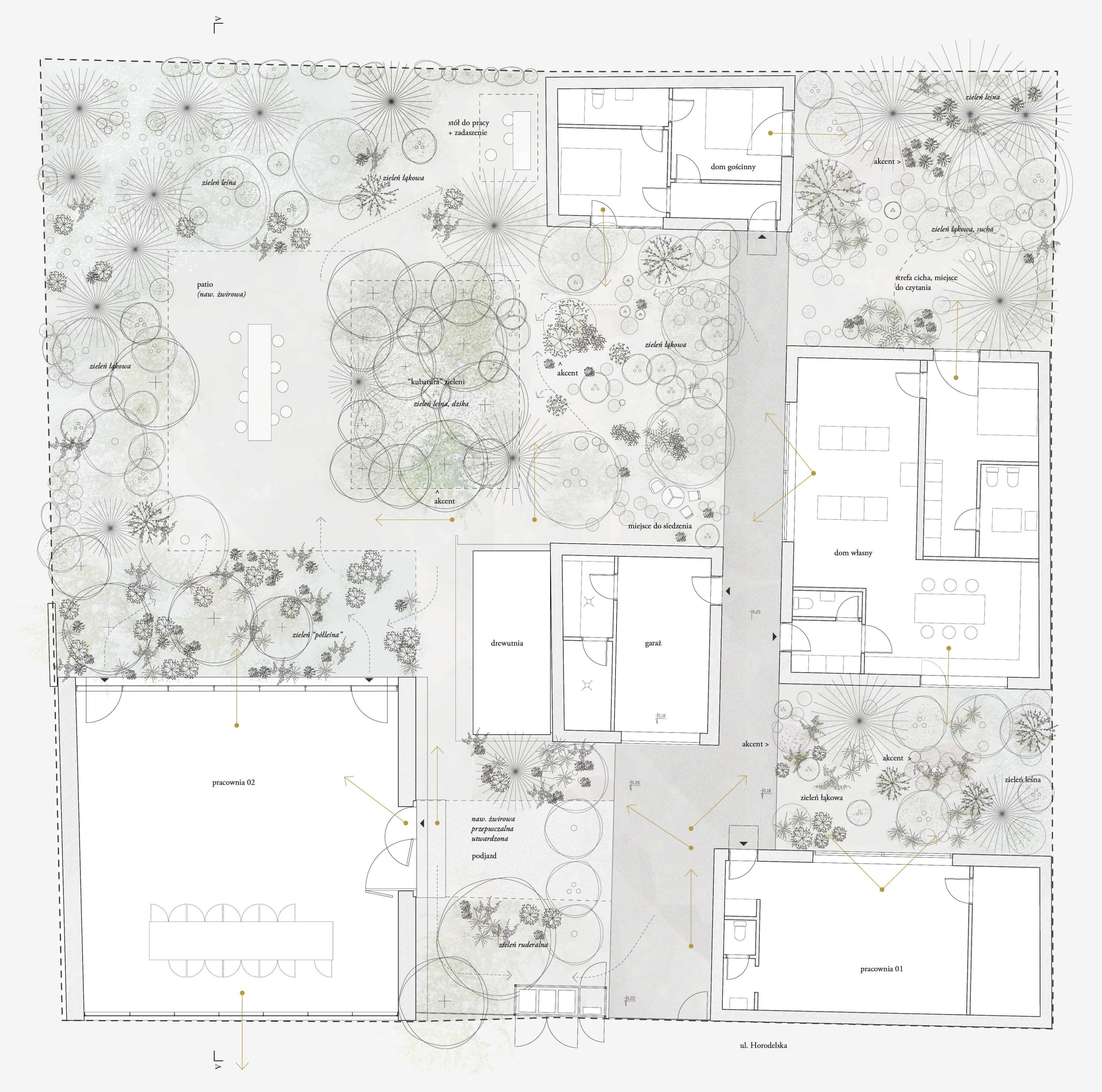
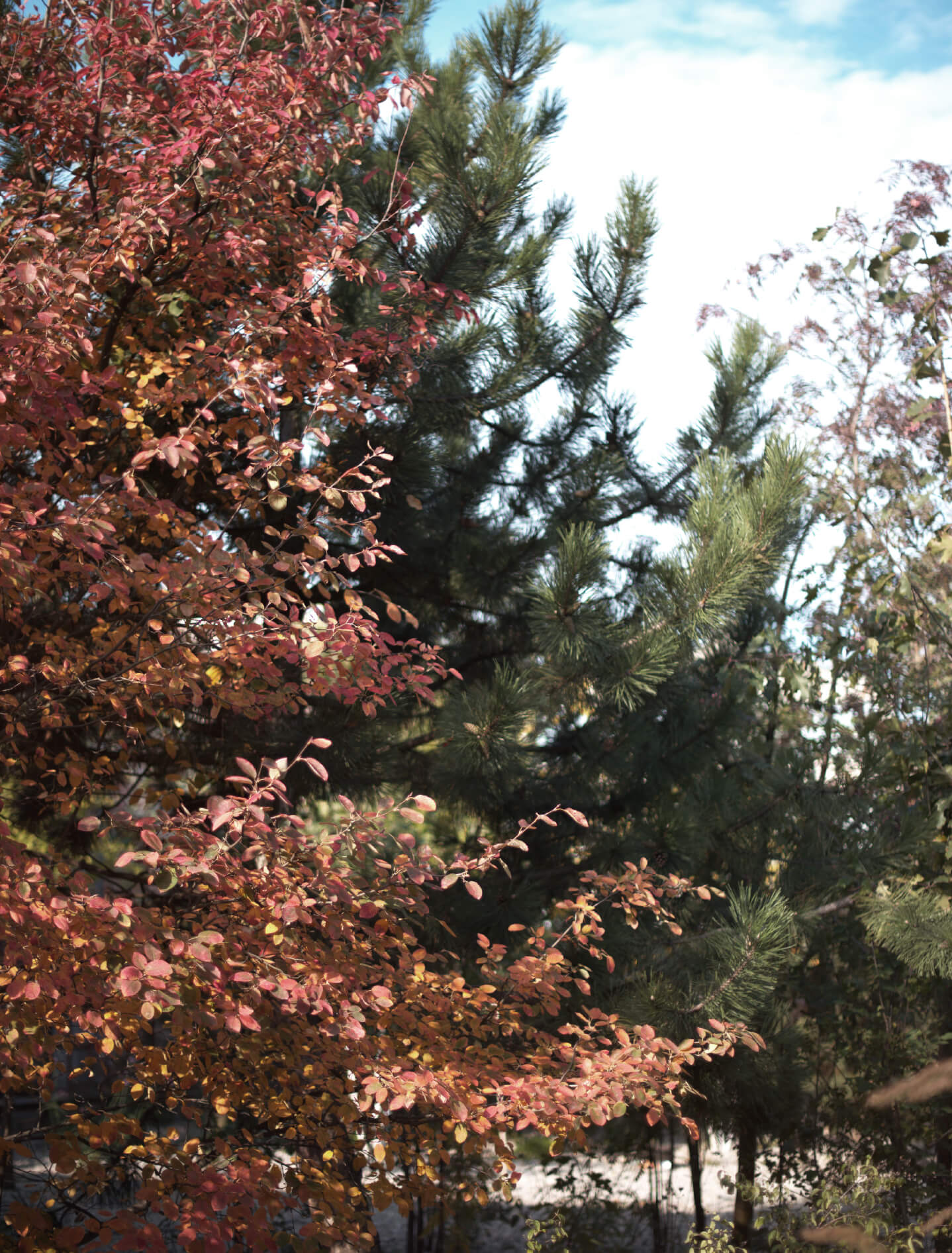
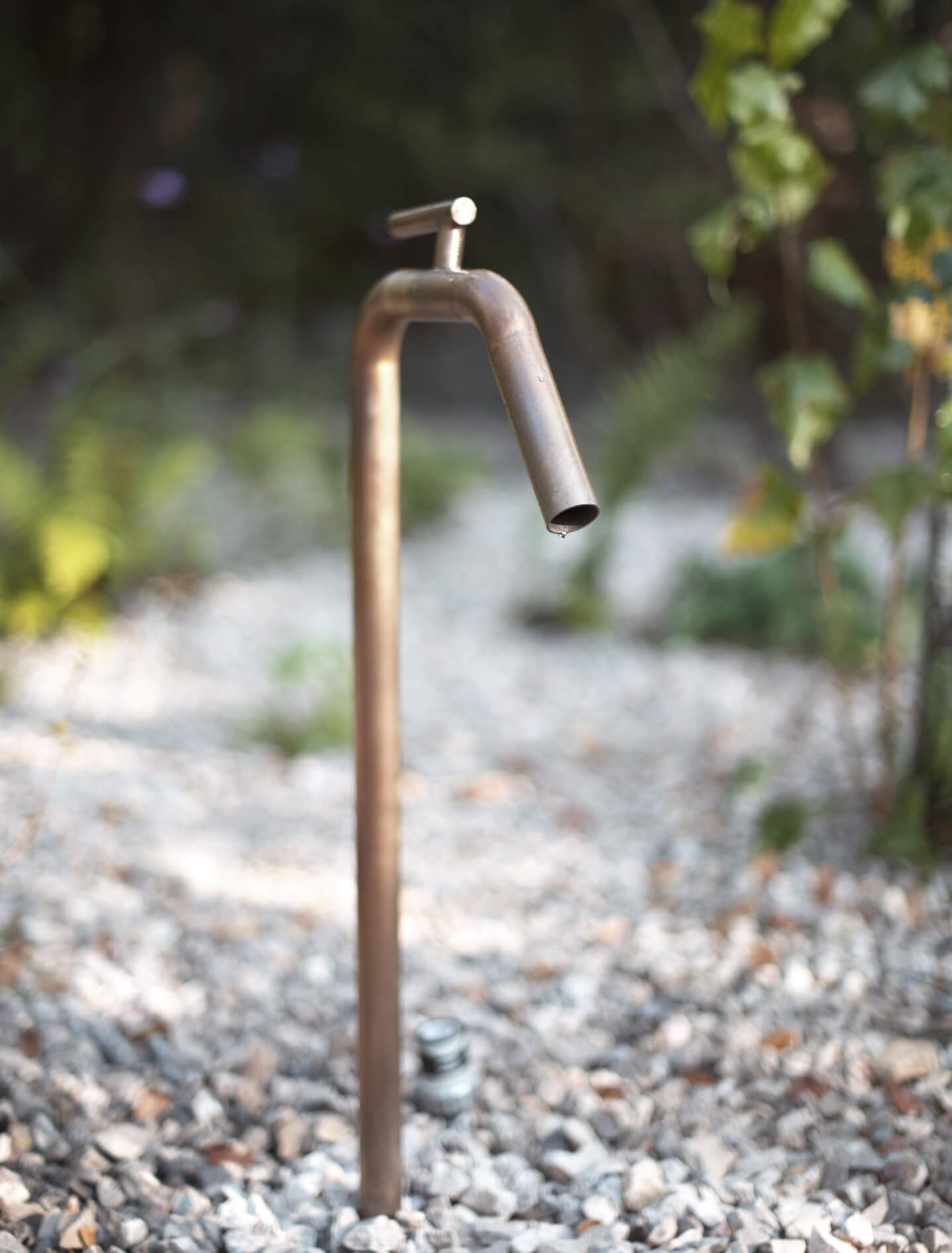
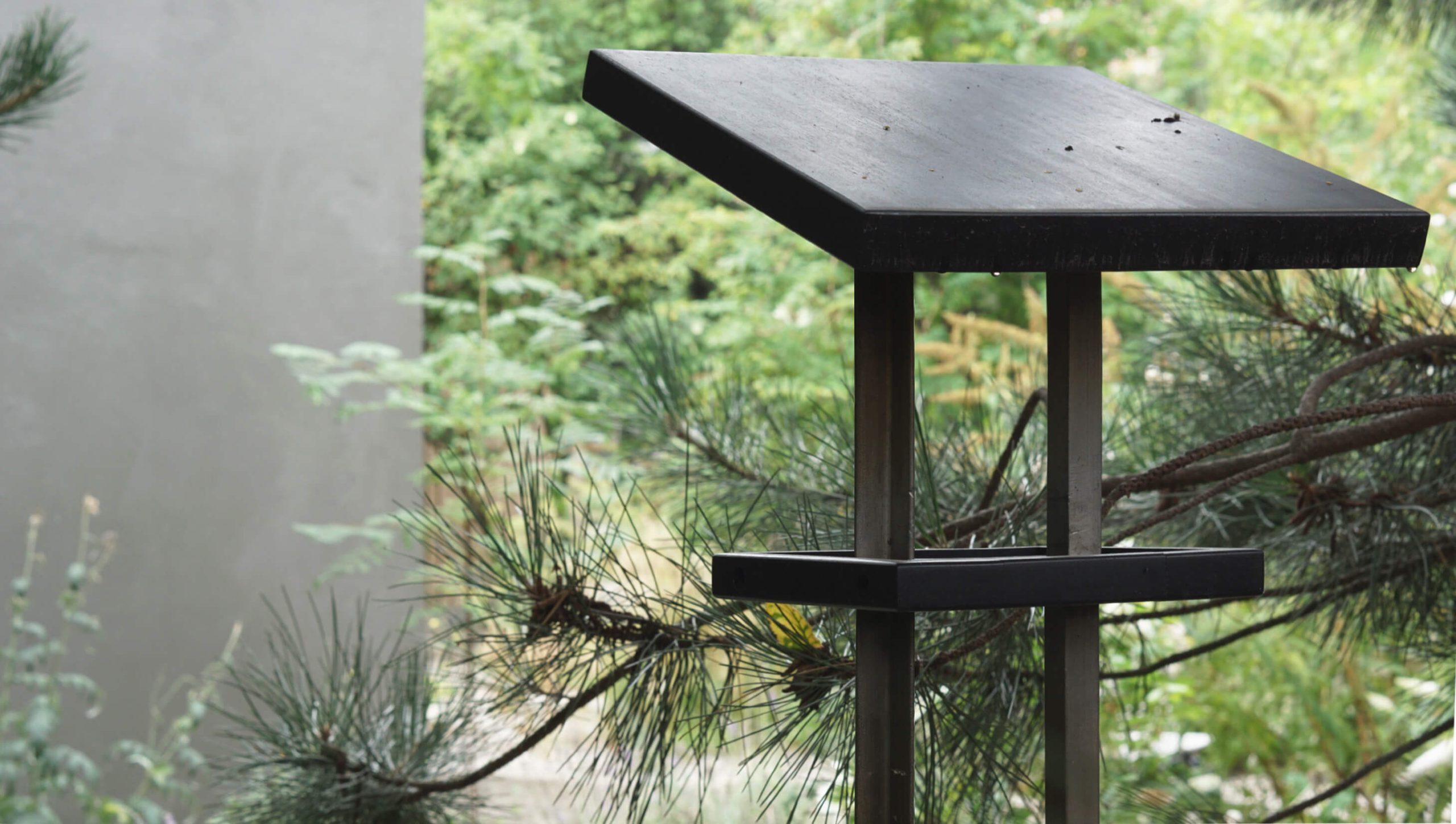
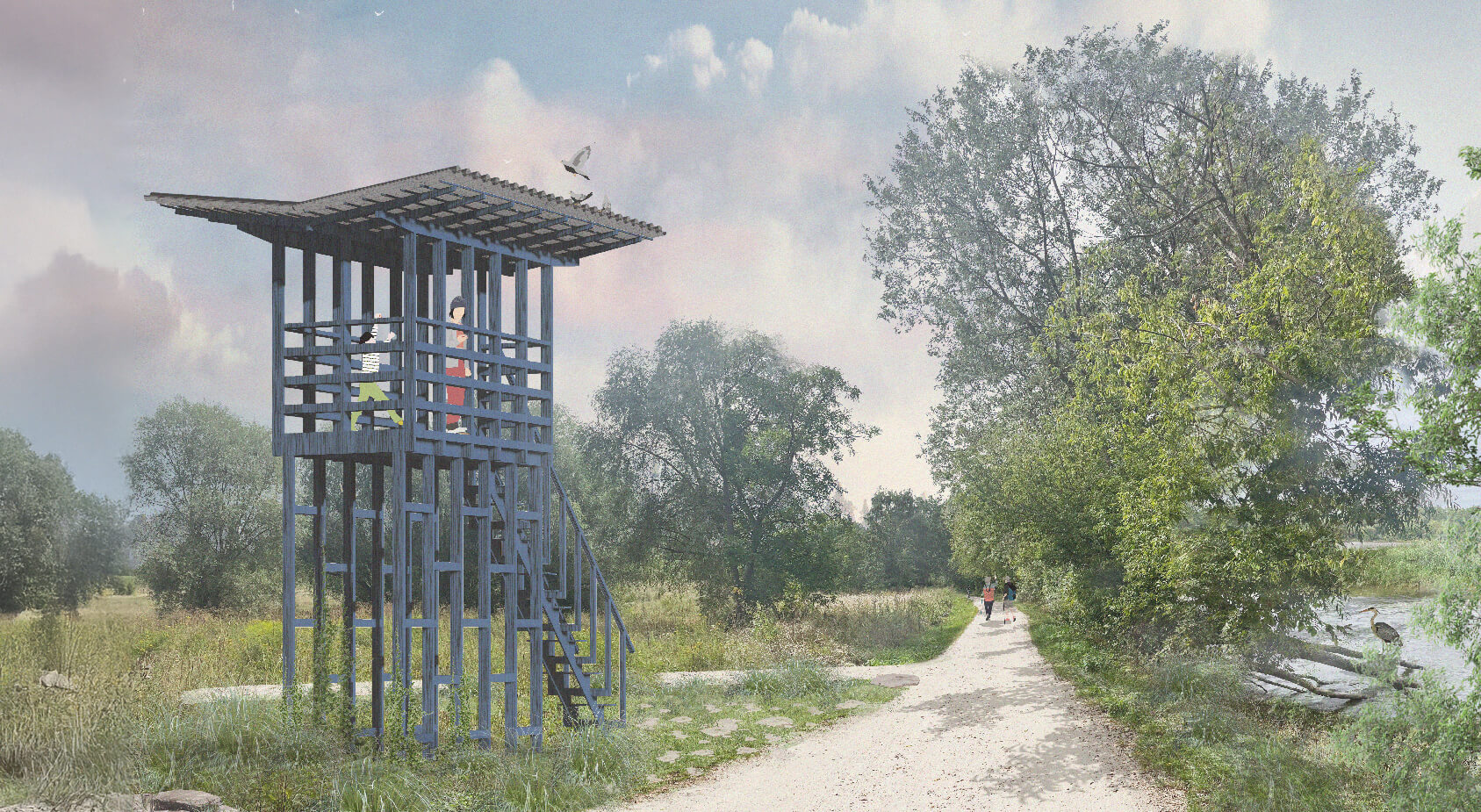
Carefully curated plant groupings, unique individual specimens, and small architectural elements for animals serve as focal points for key views from inside the buildings and along circulation paths. The objects are seamlessly integrated into the greenery. These structures are primarily dedicated to local wildlife. Birdhouses for various species, insect hotels, hedgehog and squirrel shelters, as well as a bird bath and feeder, have been designed with a lightweight visual aesthetic and slender forms that emerge delicately from the planted environment. Traditional charred wood, assembled with precision, is used in combination with slender steel elements to maintain a balance between functionality, sustainability, and artistic expression.
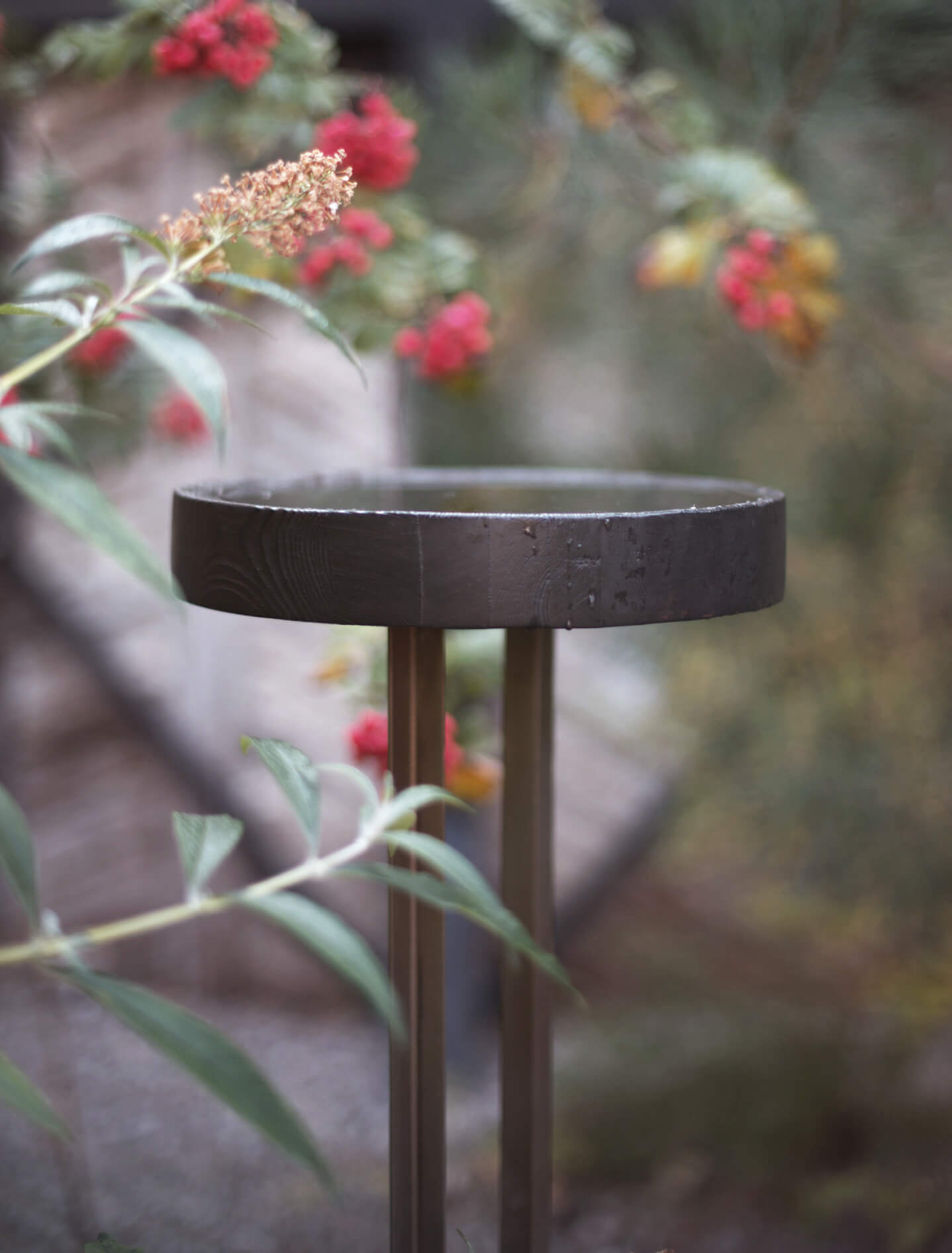
Architectural objects in the garden are dedicated to the local wildlife
Other projects